


Government
How Philanthropy Can Help Governments Accelerate a Real Recovery
Philanthropic dollars can play a unique role in catalyzing the public sector’s transformation toward data-driven leadership and decision-making.
Innovations in federal, state, and local government programs

Philanthropic dollars can play a unique role in catalyzing the public sector’s transformation toward data-driven leadership and decision-making.

Consumers will never solve the climate crisis. To build sustainability, business leaders must partner with government and society to re-focus their companies on new forms of market exchange.
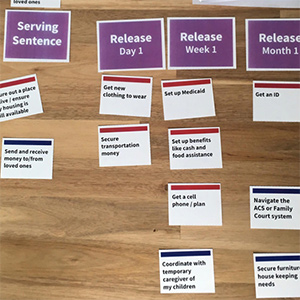
To improve public services like the justice system, social innovators need to co-design solutions with people who have experienced them and find ways to cut through the organizational barriers they faced.

The Adaptive Leadership Framework can help the international health community address the most complex problems in preventing communicable diseases and other global health threats. A Viewpoint from the Summer 2020 issue.

Governments have an opportunity to partner with impact investors and philanthropists to turn emergency spending into long-term impact.

How the Abdul Latif Jameel Poverty Action Lab (J-PAL) and the Evidence to Policy (E2P) community are integrating innovation and evidence into social policy and practice at scale.

The biggest obstacle to eradicating India’s sanitation problem is a social tradition based in its caste system. A Field Report from the Spring 2020 issue.

By opening space for public discussion where people can feel heard and respected, democratic societies can not only achieve better results, but also restore a level of trust in institutions and a sense of belonging to communities that are dangerously crumbling. A Viewpoint from the Spring 2020 issue.

Daunting social problems need scalable solutions. Here’s how to know if you’ve got one.

Despite growing pains, the pay for success funding model is finding renewed success in communities across the United States and is primed to evolve into an ever-more-powerful tool for social change.